Language English
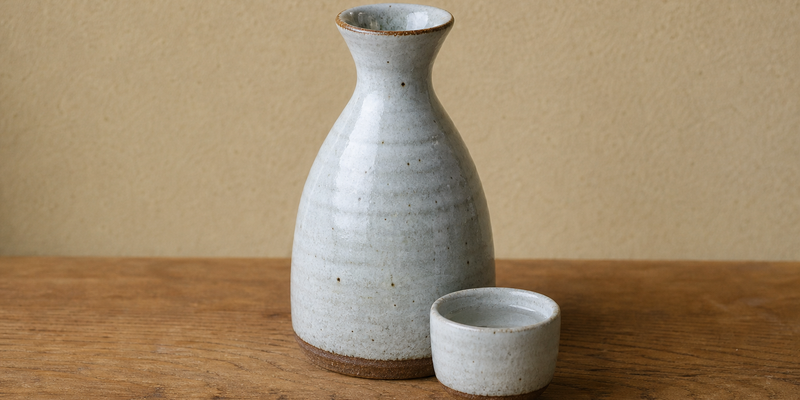
Sake Audio Guide
Sake, the Japanese brewed drink made from rice, water, and koji mold. From its long history rooted in rice farming and ritual, to the difference between junmai and ginjo, the famous brewing regions of Nada and Niigata, and the etiquette of pouring and warming. A gentle guide to the story waiting behind a single cup.
- 122 audio guides across Japan — Tokyo, Kyoto & Osaka
- Made for walking — it tells you where to stand and what to look at
- 3 days (1 city + food) ¥2,000 · 1 month (all cities) ¥3,000or this guide only ¥300 (7 days)
- 1Welcome to the World of SakeFree
- 2How a Cup of Sake Is Made
- 3The Story of Sake: Two Thousand Years in a Cup
- 4Kinds of Sake and the Taste of Place
- 5Sake and the Japanese
- 6Fascinating Facts About Sake
- 7A Few Tips for Enjoying Sake
All chapters of this guide · 7 days — ¥300
Welcome to the World of Sake
Transcript
Welcome to the World of Sake. Picture a winter morning, before the sun is properly up. The air is cold enough to sting. And then you step through the wooden door of a brewery, and the cold lets go of you. Clouds of steam roll up from a great steaming vessel, and the smell hits you all at once: warm, sweet, a little like freshly cooked rice, a little like bread. Deeper inside, in a small, low room kept as warm as a greenhouse, workers in white move quietly around trays of rice. Somewhere behind a wall, a tank is murmuring to itself. If you listen closely, it is quietly bubbling. Let me start with a surprise. Sake is made from rice and water. There is no fruit in it, and no grain malt, and none of the sugar that wine gets for free from grapes. And yet sake is a brewed drink, in the same family as beer and wine, and it reaches a strength that most of its relatives never do. How can plain rice become something so strong without being distilled? The answer lies in one of the most unusual methods of brewing anywhere in the world. By Japanese reckoning, if you count the basic idea of making alcohol from rice, sake has a history of about two thousand years. Over the next seven chapters, we will walk through that history, and through the brewery, and out into the towns and festivals where sake is part of life. Three things are waiting for you along the way. First, in one tank, two jobs are happening at the very same time. You will hear how in Chapter 2. Second, on one particular day of the brewing, the brewers deliberately do nothing. And that day has a surprising name: dance. Chapter 2 explains. Third, centuries before Pasteur, Japanese breweries were already heating their sake to protect it, and the records survive. Chapter 3 tells the story. And here is a question to carry with you. In a sake brewery, only one person carries the title of chief. Who is that person, and where did they travel from each winter? Keep a guess in mind. The answer comes in Chapter 3, and once more at the very end. One short but important note. In Japan, drinking alcohol under the age of twenty is prohibited by law. This guide is for adults, and everything in it is meant to be enjoyed in moderation. Here is how this guide works. There are seven chapters, about thirty minutes in all. Chapter 2 follows a cup of sake from a sack of rice to the finished drink. Chapter 3 is the story, from chewed rice to a recognition from UNESCO. Chapter 4 explains the kinds of sake and the taste of different places, so the labels start to make sense. Chapter 5 is about sake and the Japanese. Chapter 6 is a handful of surprising facts. And Chapter 7 is short and practical: how to order, how to warm it, and how to enjoy it your own way. Ready? Let's step inside the brewery.
Explore the city. Taste Japan. Hear the Story.
Discover the landmarks of Tokyo, Kyoto & Osaka and Japanese food culture with GuideTunes — an audio guide app made for international travelers. From temples, streets, and historic spots to ramen, sushi, tempura, and local food experiences, GuideTunes helps you understand the stories behind what you see and what you eat. Make every walk and every meal part of your journey in Japan.