Language English
Green Tea & Matcha Audio Guide
A thousand years of Japan dissolve in a single cup of green tea. From a handful of seeds carried home by Zen monks, to the matcha and tea ceremony beloved by samurai, to the quiet ideal of "wabi" refined by Sen no Rikyu, to the everyday sencha on the family table. This guide gently walks you through the history, types, regions, etiquette, and pleasures of Japanese tea.
- 122 audio guides across Japan — Tokyo, Kyoto & Osaka
- Made for walking — it tells you where to stand and what to look at
- 3 days (1 city + food) ¥2,000 · 1 month (all cities) ¥3,000or this guide only ¥300 (7 days)
- 1Welcome to the World of Green Tea & MatchaFree
- 2How a Bowl of Matcha and a Cup of Sencha Are Made
- 3The Story of Tea in Japan
- 4Kinds of Tea and the Taste of Each Region
- 5The Japanese and Tea
- 6Fascinating Tea Trivia
- 7A Few Tips for Enjoying Tea
All chapters of this guide · 7 days — ¥300
Welcome to the World of Green Tea & Matcha
Transcript
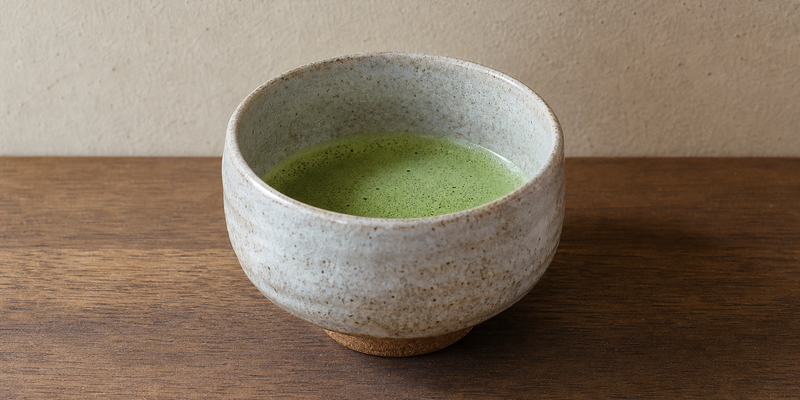
Welcome to the World of Green Tea and Matcha. Picture a small wooden whisk, made of bamboo, with dozens of fine tines. It moves back and forth inside a wide bowl, fast, in the shape of the letter M, and the sound is a soft, dry rustle. Then the rustle turns into a hush of tiny bubbles. A pale green foam rises. The steam smells grassy and sweet, a little like freshly cut spring meadow. Someone sets the bowl in front of you and turns it slightly, so that the prettiest side faces you. That is matcha. Now picture the same plant a few weeks earlier. Rows of tea bushes, clipped into low, rounded hedges, run across a hillside like green waves. Over some of those rows, a dark cover has been stretched, so that the leaves underneath live in the shade. Remember that cover. It is the start of the whole story. Let's begin with a surprise. Most people assume that matcha is just ordinary green tea ground into a powder. It isn't. Matcha is made from a special kind of leaf, one that is grown in the shade, steamed, and then dried in a very particular way. Matcha begins in the field, weeks before a single leaf is picked. Over the next seven chapters, we will follow tea from the hillside to the bowl, and from the monks who first carried it to Japan to the cup you might drink tonight. Three things are waiting for you along the way. First, matcha is not simply ground-up sencha. Something happens in the field before the leaves are picked, and something is left out afterward. You will learn the secret in Chapter 2. Second, the tea ordinary people drank in Edo Japan was nothing like today's green sencha. In Chapter 3 you will meet the man who spent fifteen years changing that. Third, for the first time since records began, a new prefecture has become Japan's top tea producer. Chapter 4 reveals which one, and why. And one question to carry with you. When a shogun was suffering from too much drink, what did a monk offer him as medicine? Listen for how tea began as a remedy and became an everyday drink. The answer comes in Chapter 3, and once more at the very end. Here is how this guide works. There are seven chapters, about thirty minutes in all. Chapter 2 follows the leaf from field to bowl: the shade, the steam, the stone mill, the whisk. Chapter 3 is the story, from a monk brewing tea for an emperor to the farmer who made the green tea we know. Chapter 4 travels across Japan, one kind of tea at a time, and through the seasons. Chapter 5 is about how people in Japan live with tea, the sayings, and the things people say tea does for the body. Chapter 6 is a handful of small facts that surprise almost everyone. And Chapter 7 is short and practical: how to order, how to drink, and how to simply enjoy it, without worrying about doing it wrong. Ready? Let's walk into the tea field.
Explore the city. Taste Japan. Hear the Story.
Discover the landmarks of Tokyo, Kyoto & Osaka and Japanese food culture with GuideTunes — an audio guide app made for international travelers. From temples, streets, and historic spots to ramen, sushi, tempura, and local food experiences, GuideTunes helps you understand the stories behind what you see and what you eat. Make every walk and every meal part of your journey in Japan.