Language English
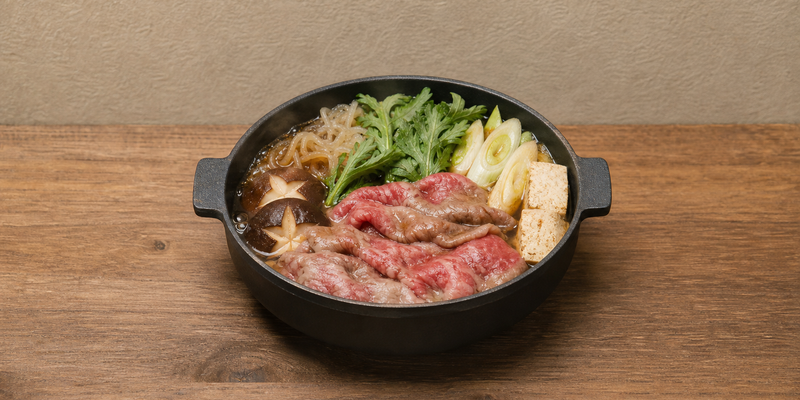
Sukiyaki Audio Guide
Thin slices of beef simmered briefly in a warishita of sugar and soy sauce, then dipped in beaten egg and eaten: that is sukiyaki, a feast that stands for the Japanese winter. Across six parts we trace its history from civilization and enlightenment and the lifting of the beef taboo, the utterly different methods of east and west, regional wagyu, when Japanese people eat it, the way of the raw egg and its manners, and the udon finish.
- 122 audio guides across Japan — Tokyo, Kyoto & Osaka
- Made for walking — it tells you where to stand and what to look at
- 3 days (1 city + food) ¥2,000 · 1 month (all cities) ¥3,000or this guide only ¥300 (7 days)
- 1Welcome to the World of SukiyakiFree
- 2How a Pot of Sukiyaki Comes Together
- 3From Forbidden Beef to a Symbol of the New Age
- 4Kanto, Kansai and Beyond: Styles and Local Tastes
- 5Sukiyaki and Daily Life in Japan
- 6Fascinating Facts About Sukiyaki
- 7Tips for Eating Sukiyaki
All chapters of this guide · 7 days — ¥300
Welcome to the World of Sukiyaki
Transcript
Welcome to the World of Sukiyaki. Picture a low table and a shallow iron pan sitting on a small burner. A cook drops in a lump of beef fat, and it slides around and melts, and the whole room smells sweet and rich. Then a few paper-thin slices of beef go down onto the metal with a long, sharp sizzle. Soy sauce and sugar follow, and a cloud of steam rises past the faces around the table. Everyone reaches in with chopsticks and dips the meat into a small bowl of beaten raw egg. Someone laughs. Someone says it needs another minute. The windows are fogged white. Here is where we begin. In the year 675, Emperor Tenmu issued a ban on eating meat. Cattle and horses were valuable working animals, and after that, a habit of avoiding their meat lasted for a very long time. Then, in the Meiji era, beef-pot restaurants packed the capital, and a comic novel of the day scolded anyone who skipped the beef pot. A person who did not eat it, the book said, was someone who had not embraced the new age. That is the story of sukiyaki: a dish that went from a forbidden food to a symbol of a whole era. Over the next seven chapters, we will take this pan apart, then follow its story from a farmer's tool to a Tokyo dinner table. Three things are waiting for you on the way. First, some people once spent a whole day traveling to Yokohama just to get beef, and that effort led to a cattle processing site being built in one part of Tokyo. Second, in the Meiji era, one book said that people who did not eat this pot had not embraced the new age. We will meet that book and its author. Third, there is a famous claim that shirataki noodles make the beef tough. Is it true? An experiment has an answer. And one question to carry with you. What is the "suki" in sukiyaki? A farm tool? Or something else entirely? Keep a guess in mind. The story comes in Chapter 3, and the answer once more at the very end. Here is how this guide works. There are seven chapters, about thirty minutes in all. Chapter 2 takes the pan apart: the beef, the vegetables, the sauce, and the order of cooking. Chapter 3 is the history, from an emperor's ban to the beef-pot boom of the Meiji era. Chapter 4 travels around Japan to compare the Tokyo style, the Osaka and Kyoto style, and the local variations. Chapter 5 is about how people here live with sukiyaki, at home and in the shops. Chapter 6 is a handful of surprising facts. And Chapter 7 is short and practical: how to eat it well, and what to check if you have dietary needs. That last one is perfect for when you are sitting down at the table. Ready? Let's look into the pan.
Explore the city. Taste Japan. Hear the Story.
Discover the landmarks of Tokyo, Kyoto & Osaka and Japanese food culture with GuideTunes — an audio guide app made for international travelers. From temples, streets, and historic spots to ramen, sushi, tempura, and local food experiences, GuideTunes helps you understand the stories behind what you see and what you eat. Make every walk and every meal part of your journey in Japan.