Language English
Kakigori & Sweet Cafes Audio Guide
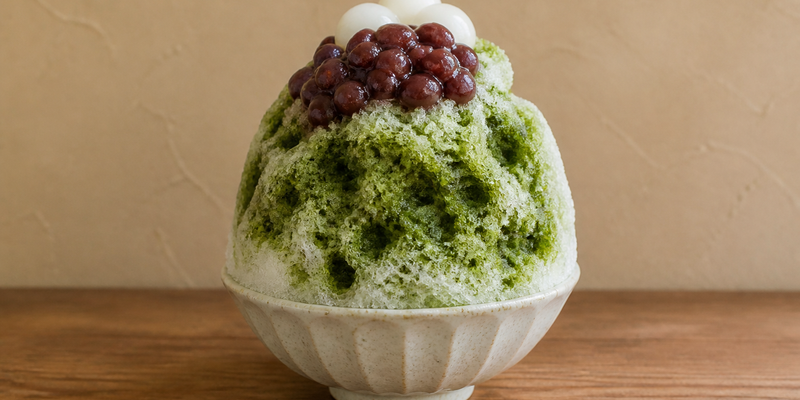
Finely shaved ice crowned with colourful syrups or sweet bean paste: kakigori, a signature sight of the Japanese summer. From the fluffy snow of natural ice to uji-kintoki, we cover its history, its types, regional differences, summer and sweet-cafe culture, how to eat it without the brain-freeze, and how to enjoy it, in six parts.
- 122 audio guides across Japan — Tokyo, Kyoto & Osaka
- Made for walking — it tells you where to stand and what to look at
- 3 days (1 city + food) ¥2,000 · 1 month (all cities) ¥3,000or this guide only ¥300 (7 days)
- 1Welcome to the World of Kakigori & Sweet CafesFree
- 2How a Bowl of Shaved Ice Is Made
- 3A Story Told in Ice
- 4Kinds of Ice and Sweets, Region by Region
- 5The Japanese and Their Sweet Stops
- 6Fascinating Facts
- 7Tips for Eating
All chapters of this guide · 7 days — ¥300
Welcome to the World of Kakigori & Sweet Cafes
Transcript
Welcome to the World of Kakigori & Sweet Cafes. Picture a back street on a blazing afternoon in midsummer. The cicadas are screaming in the trees. Outside a small shop, a red flag with a single bold character hangs limp in the heat. Step through the curtain, and the first thing you notice is a sound: a dry, steady shhhhk, shhhhk, as a blade slides across a block of ice. A cloud of snow-white shavings piles up in a glass bowl, higher and higher, until it looks like a little mountain. The first bite is so cold and so light that it seems to vanish the moment it touches your tongue. Let's begin with a surprise. This icy treat is not new. The oldest written mention of kakigori that has been found in Japan comes from The Pillow Book, a collection of sharp, funny essays by a court lady named Sei Shonagon, written in the mid-Heian period. Shaved ice, a thousand years ago. And in her day, a bowl of ice like this was not something an ordinary person could ever dream of eating. Ice in summer was a treasure. Over the next seven chapters, we're going to follow that bowl of ice through a thousand years, and then walk through the door of the other half of this world: the sweet cafe, called an amamidokoro, where red bean paste, soft rice dumplings and chewy mochi are served alongside hot tea. Three things are waiting for you along the way. First, those people at the court a thousand years ago. What did they eat their ice with? There was no strawberry syrup, no melon, no sweetened milk. Something else was poured over the ice, and it was just as rare as the ice itself. Second, a man in the last years of the samurai age who wanted to make his fortune from ice. He tried one place after another, across Japan, and failed. Then, at last, he tried one more place, and it worked. The place he chose will surprise you. Third, the secret to that famously fluffy texture. Why is the ice in some shops so soft and airy, while the ice you might have eaten at home as a child is crunchy and gritty? There is a trick, and it has to do with how the ice is shaved. And one question to carry with you. Look at the flag outside the shop, the red one with the single character for "ice." It is one of the best-known sights of a Japanese summer. But it was not originally meant as decoration. What was that flag a sign of? The answer comes in Chapter 3, and once more at the very end. Here's how this guide works. There are seven chapters, about thirty minutes in all. Chapter 2 shows how a bowl is made, from the pond where natural ice is grown to the hands that finish a sweet cafe dessert. Chapter 3 is the story itself, from a court lady's pen to a moat around a star-shaped fort. Chapter 4 travels from region to region, one bowl at a time. Chapter 5 is about the people who eat all this, and how it fits into daily life. Chapter 6 is a handful of facts that surprise almost everyone. And Chapter 7 is short and practical: how to enjoy your own bowl, so you can use it right at the counter. Ready? Let's pick up the spoon.
Explore the city. Taste Japan. Hear the Story.
Discover the landmarks of Tokyo, Kyoto & Osaka and Japanese food culture with GuideTunes — an audio guide app made for international travelers. From temples, streets, and historic spots to ramen, sushi, tempura, and local food experiences, GuideTunes helps you understand the stories behind what you see and what you eat. Make every walk and every meal part of your journey in Japan.